

The world of casinos is not just about gambling; it is a cultural phenomenon that reflects the social fabric of various nations. From the glitzy lights of Las Vegas to the serene landscapes of Monaco, casinos have evolved into iconic landmarks. In this article, we delve into the history, development, and modern-day status of casinos worldwide, shedding light on their economic impact and the changing perceptions surrounding them. For those seeking to explore the virtual arena, numerous casinos worldwide international casino sites offer thrilling experiences from the comfort of home.
Historically, the concept of gambling can be traced back thousands of years. The ancient Chinese, Greeks, and Romans engaged in various games of chance, often playing for goods or other forms of currency. Fast forward to the 17th century, and the first recognizable casino opened its doors in Venice, Italy. Known as the Ridotto, it provided a regulated environment for gambling, paving the way for what we now understand as casinos.
As the concept of casinos spread across Europe, different countries developed their unique styles and gaming preferences. In France, the establishment of gaming houses led to the refinement of many popular games, including roulette and baccarat. Meanwhile, in Germany, casinos emerged in spa towns, attracting nobles and wealthy patrons seeking leisure and entertainment.
The 19th century marked a significant turning point in the history of casinos, as they began to proliferate in places like Monte Carlo. The luxurious Casino de Monte-Carlo not only revolutionized gambling in Europe but also established a standard for opulence that many modern casinos still aspire to. The allure of Monaco’s casinos drew tourists from all over the world, transforming the region into a glamorous getaway.
Across the Atlantic, the United States experienced its own gambling boom. After the establishment of Nevada as a state in 1864, the foundation was laid for what would become one of the most famous gambling destinations in the world—Las Vegas. Initially a modest town, Las Vegas underwent rapid development in the 1940s and 1950s, thanks to the legalization of gambling, and soon became synonymous with entertainment and luxury.
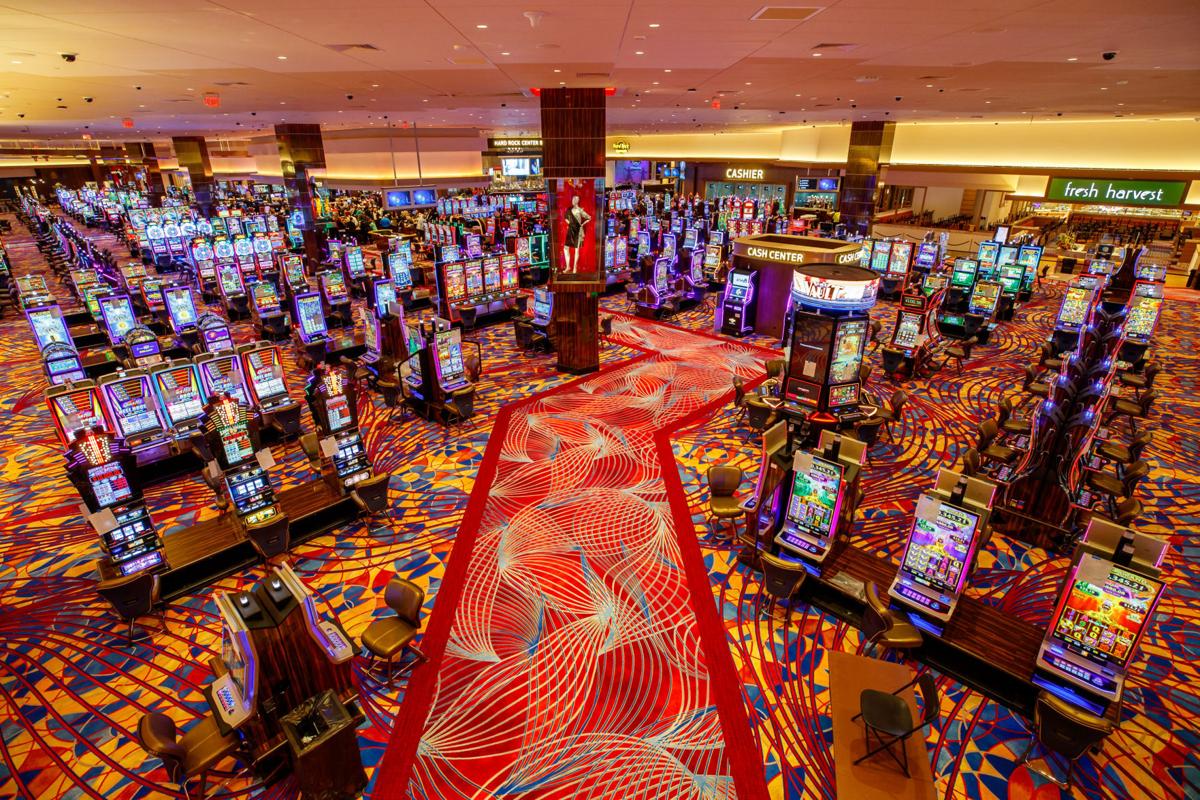
Today, Las Vegas is home to some of the largest and most extravagant casinos globally. The Strip, a 4.2-mile stretch of road, boasts iconic establishments like the Bellagio, Caesars Palace, and the Wynn. These casinos offer much more than gambling; they provide visitors with an array of dining, shopping, and entertainment options, solidifying Las Vegas as a premier tourist destination.
However, the casino industry is not solely about land-based gambling. The rise of the internet has significantly transformed how people engage with gambling. Online casinos have surged in popularity, offering convenient access to a wide variety of games without the need for physical travel. Players can now enjoy everything from slots to live dealer games at their fingertips, leading to the emergence of numerous international casino sites.
This shift towards online gambling has raised questions about the future of traditional casinos. Many operators have adapted by offering online platforms in addition to their brick-and-mortar establishments. The hybrid model allows casinos to cater to both local patrons and international players, providing them with an enhanced gaming experience.
In addition to economic benefits, casinos play a significant role in cultural exchange and tourism. Many cities have capitalized on their casino industries to generate revenue and create jobs, often leading to investments in infrastructure and community development. For instance, cities like Atlantic City and Macau have seen revitalization efforts linked to their casino revenues, further intertwining local economies with the gaming industry.
However, with these benefits come social challenges. The proliferation of casinos has sparked debates about gambling addiction, crime, and public health. Many countries impose strict regulations and promote responsible gaming initiatives to mitigate these risks. Governments are increasingly focusing on player protection and awareness campaigns to educate the public about the potential dangers of gambling addiction.
As we look towards the future, the global landscape of casinos continues to evolve. Innovations in technology, including virtual reality and blockchain, promise to reshape the industry further. Virtual reality casinos are being developed to provide immersive gaming experiences, while blockchain technology enables secure transactions and transparency in gambling operations.
Moreover, the COVID-19 pandemic highlighted the importance of adaptability within the casino industry. Many establishments had to close their doors temporarily, which accelerated the shift towards online gambling and digital experiences. As restrictions ease, casinos are rethinking their business models, integrating both in-person and online elements to appeal to a broader audience.
In conclusion, the world of casinos is a dynamic tapestry woven with rich history, cultural significance, and economic impact. Whether through the glamour of Las Vegas or the comfort of online gaming, the draw of casinos remains strong. As the industry evolves, it will be fascinating to see how casinos adapt to changing consumer preferences and technological advancements while addressing the societal concerns surrounding gambling.
Ultimately, the future of casinos lies in balancing entertainment with responsibility, ensuring that the thrill of gaming can be enjoyed without detrimental effects on individuals and communities. As global awareness about responsible gambling grows, so too does the potential for casinos to contribute positively to society while continuing to serve as a source of excitement and leisure for millions worldwide.